Preparing Your Retaining Wall for Spring Rains
Enhance the Appearance and Safety
of Your Property All in One Solution
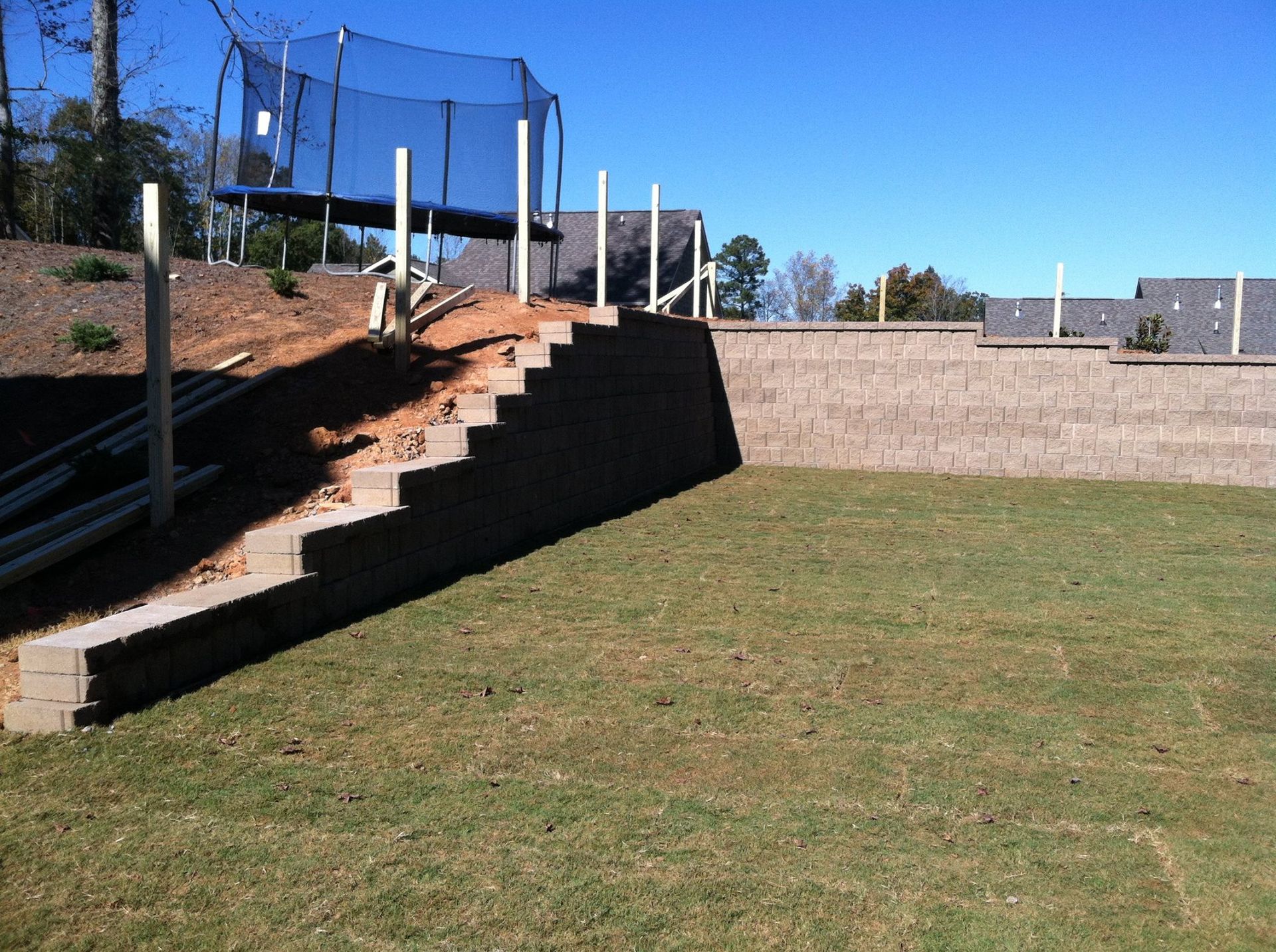
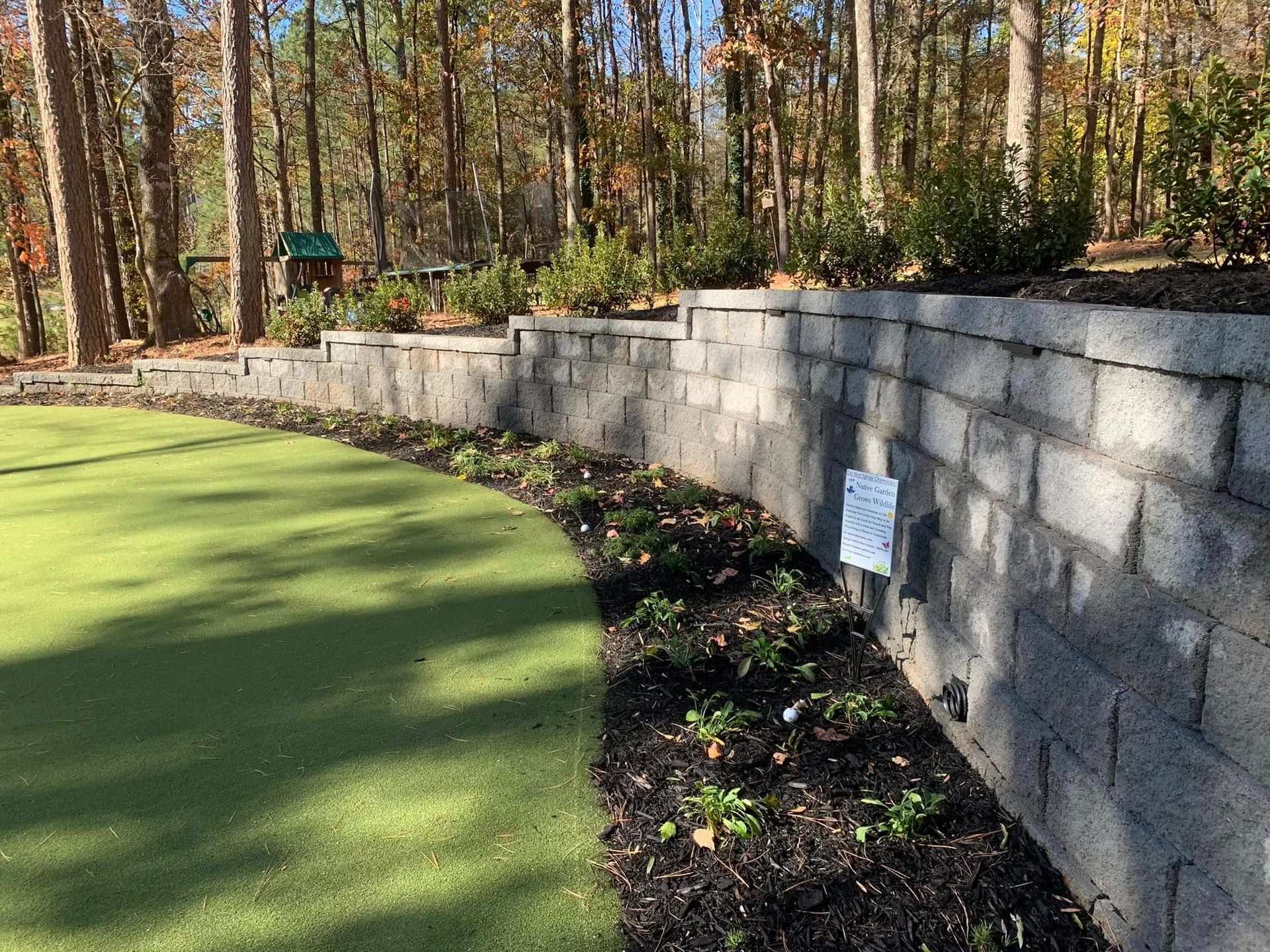
As winter fades and spring showers begin to roll in, your retaining wall becomes one of the most important defenses protecting your landscape. Heavy rain, melting snow, and saturated soil can all put extra pressure on retaining walls, especially if they have not been properly maintained.
At MaurerCo Retaining Walls, we know that a well-built retaining wall is designed to withstand the elements. But even the strongest walls benefit from seasonal inspections and preventative care. Preparing your retaining wall before spring rains arrive can help you avoid costly repairs and keep your landscape looking its best year-round.
Why Spring Rain Can Impact Retaining Walls
Retaining walls are built to hold back soil and help manage drainage on sloped properties. During spring, increased rainfall can create excess water buildup behind the wall, known as hydrostatic pressure. If drainage systems become clogged or soil shifts during freeze-thaw cycles, that pressure can lead to cracks, leaning, or erosion around the structure.
Routine maintenance helps identify small issues before they become major structural problems.
1. Inspect for Cracks or Movement
Start with a visual inspection of your retaining wall.
Walk along the structure and look for:
- Cracks in concrete or stone
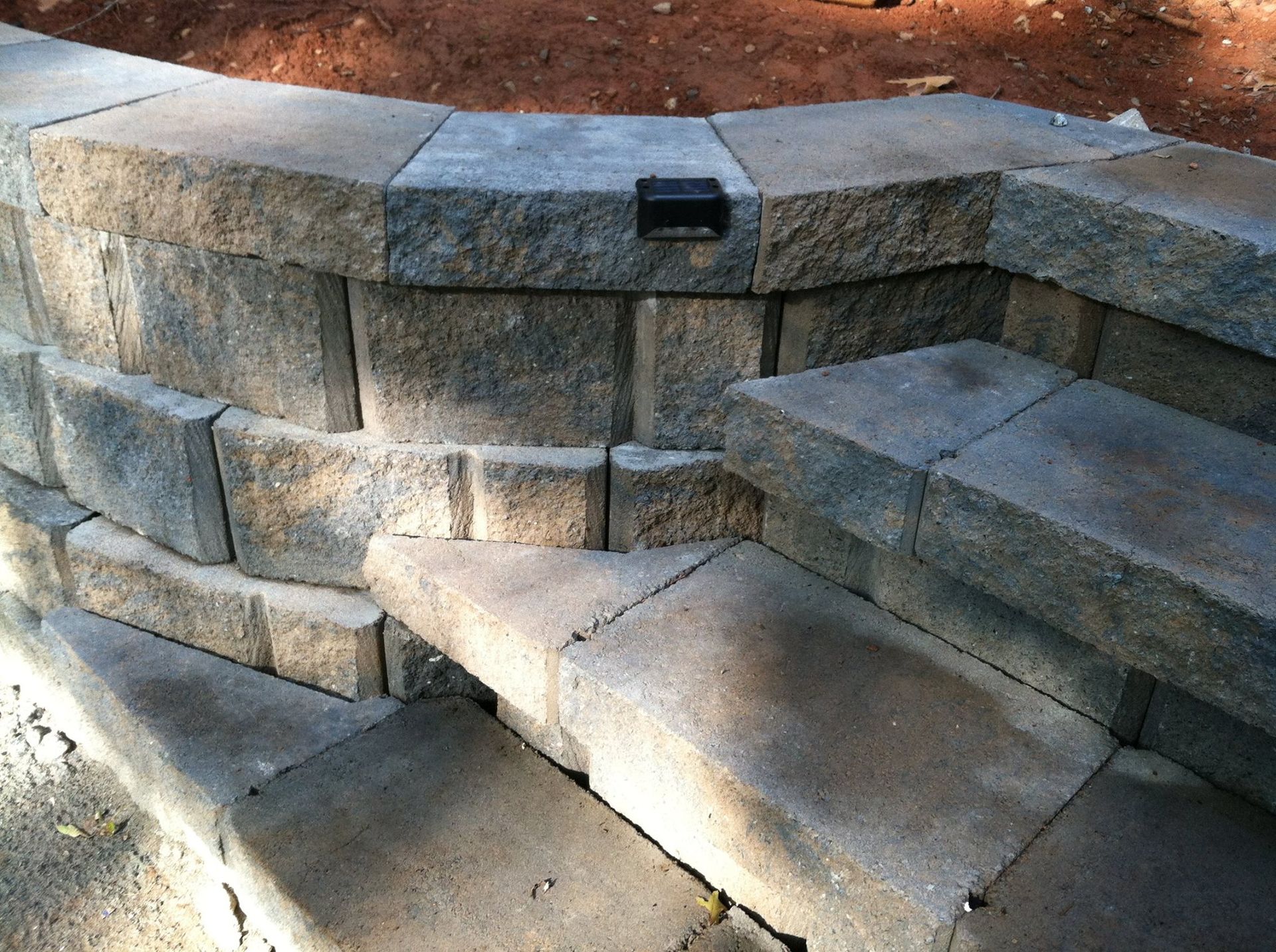
- Bulging or leaning sections
- Loose blocks or stones
- Soil washing out near the base
- Gaps between wall materials
Minor shifts can happen naturally over time, but noticeable movement may indicate drainage problems or soil pressure building behind the wall. Catching these issues early can prevent more extensive damage later in the season.
2. Clear Drainage Areas
Proper drainage is one of the most important parts of any retaining wall system. Without it, water can collect behind the wall and weaken its structural integrity.
Before spring rains begin, make sure to:
- Remove leaves and debris from drainage outlets
- Check for clogged weep holes
- Inspect downspouts near the wall
- Ensure water is directed away from the structure
3. Watch for Soil Erosion
Spring runoff can gradually wash away soil surrounding your retaining wall. Erosion not only affects the appearance of your landscape, but it can also weaken the wall’s support system over time.
Signs of erosion include:
- Exposed roots or foundation areas
- Uneven ground near the wall
- Mulch or soil displacement after rainfall
- Water pooling around the base
4. Trim Nearby Vegetation
Plants and landscaping can enhance the appearance of your retaining wall, but overgrown roots and heavy vegetation may create additional stress on the structure.
Trim back shrubs, remove invasive roots, and clear excess plant growth around drainage areas. This helps improve water flow and prevents roots from pushing against wall materials over time.
5. Schedule Professional Maintenance if Needed
If you notice leaning, cracking, drainage issues, or significant wear, it may be time for a professional inspection. Retaining walls are designed to manage heavy loads and shifting soil, so addressing problems early is key to preventing larger structural concerns.


Protect Your Landscape This Spring - Contact Us Today
to Request a Retaining Wall Installation Quote!
Spring rain can be tough on outdoor structures, but proactive maintenance helps keep your retaining wall strong, functional, and visually appealing. A little preparation now can save you time, money, and stress later in the season.
At MaurerCo Retaining Walls, we specialize in durable, professionally designed retaining wall solutions built to handle changing weather conditions and protect your property for years to come. For 37+ years, we've been dedicated to replacing and installing new retaining walls for property owners across Metro Atlanta and North Georgia, including Woodstock, Alpharetta, Canton, Cartersville, Cumming, Gainesville, Johns Creek, Marietta, Sandy Springs, Smyrna, Buford, Milton, Dawsonville, and surrounding communities.
If your retaining wall needs inspection, repair, or replacement before spring storms arrive, contact us today to request a quote!